Oct 25, 2026Twila Rosenbaum
Firma Power says the reason AI data centers keep choosing natural gas is not cost or reliability, but the difficulty of assembling fragmented wind, solar and battery projects into one usable package. Its FirmaOS platform matches proposed clean energy developments to a facility's megawatt needs in minutes rather than months. The startup, founded by energy experts Jesse Jenkins, Scott Burger and Brent Alderfer, has raised about $1.4 million and is working on roughly a dozen projects with hyperscalers and AI cloud companies.
View more
Oct 24, 2026Twila Rosenbaum
ICANN has opened its first new generic top-level domain application round since 2012, drawing 1,615 bids that could add roughly 1,600 new names to the internet. The applications span corporate brands, artificial intelligence, cryptocurrency, network and developer terms, and geographic names. The process includes revised evaluation and support mechanisms, with a final string list due in November 2026 and objections running into 2027.
View more
Oct 24, 2026Twila Rosenbaum
Upscale has introduced Token Fabric, a combined scale-up and scale-out networking architecture for AI clusters. It pairs the company’s SkyFabriX switch silicon with Nvidia Spectrum-X Ethernet systems and a common SkyOS software layer. The platform is designed to simplify operations across heterogeneous accelerator clusters, with general availability planned for early 2027. Upscale says token-focused metrics and agentic operations will become central to AI network optimization.
View more
Oct 24, 2026Twila Rosenbaum
Enterprise IT teams typically run six to eight observability tools, and that sprawl is consuming engineering time and slowing incident response. A survey of 356 IT professionals found widespread AI use in observability, but AI does not eliminate fragmented data or weak tool governance. Centralized ownership and human oversight are emerging as critical safeguards as AI systems take on more network operations.
View more
Oct 24, 2026Twila Rosenbaum
Arista Networks has introduced new Ethernet reference architectures and partnerships with AMD, Arm, Broadcom, Meta, Microsoft and Qualcomm to challenge Nvidia's proprietary AI networking. The company is offering 7060EX7 switches and rack-level components for liquid-cooled AI clusters, along with software and diagnostics. Arista's ESUN-based scale-up and UEC-based scale-out designs target non-Nvidia accelerators and larger rack-scale deployments. The push positions Ethernet as an open alternative to NVLink and InfiniBand.
View more
Oct 24, 2026Twila Rosenbaum
Nvidia used GTC Berlin to unveil DSX POD, a factory-built modular data center approach it says can cut AI infrastructure deployment from months to weeks. The company also claimed up to 30% lower power use with DSX MaxLPS software and major water savings from dry cooling. Alongside that, Nvidia detailed OpenShell, a reference architecture for constraining autonomous AI agents, expanded its Isaac robotics platform, and reported AI-RAN progress with Nokia and European carriers.
View more
Oct 24, 2026Twila Rosenbaum
Le 24 juin, le défilé Louis Vuitton Printemps-Été 2026 de Pharrell Williams au Centre Pompidou a réuni de nombreuses célébrités. Nora Fatehi, actrice, chanteuse et mannequin marocaine, y a attiré tous les regards dans un tailleur taupe à l'allure masculine. Sa présence souligne son rôle de pont culturel entre le Maroc, l'Inde et la mode internationale. Retour sur un moment fort de la Fashion Week parisienne.
View more
Oct 24, 2026Twila Rosenbaum
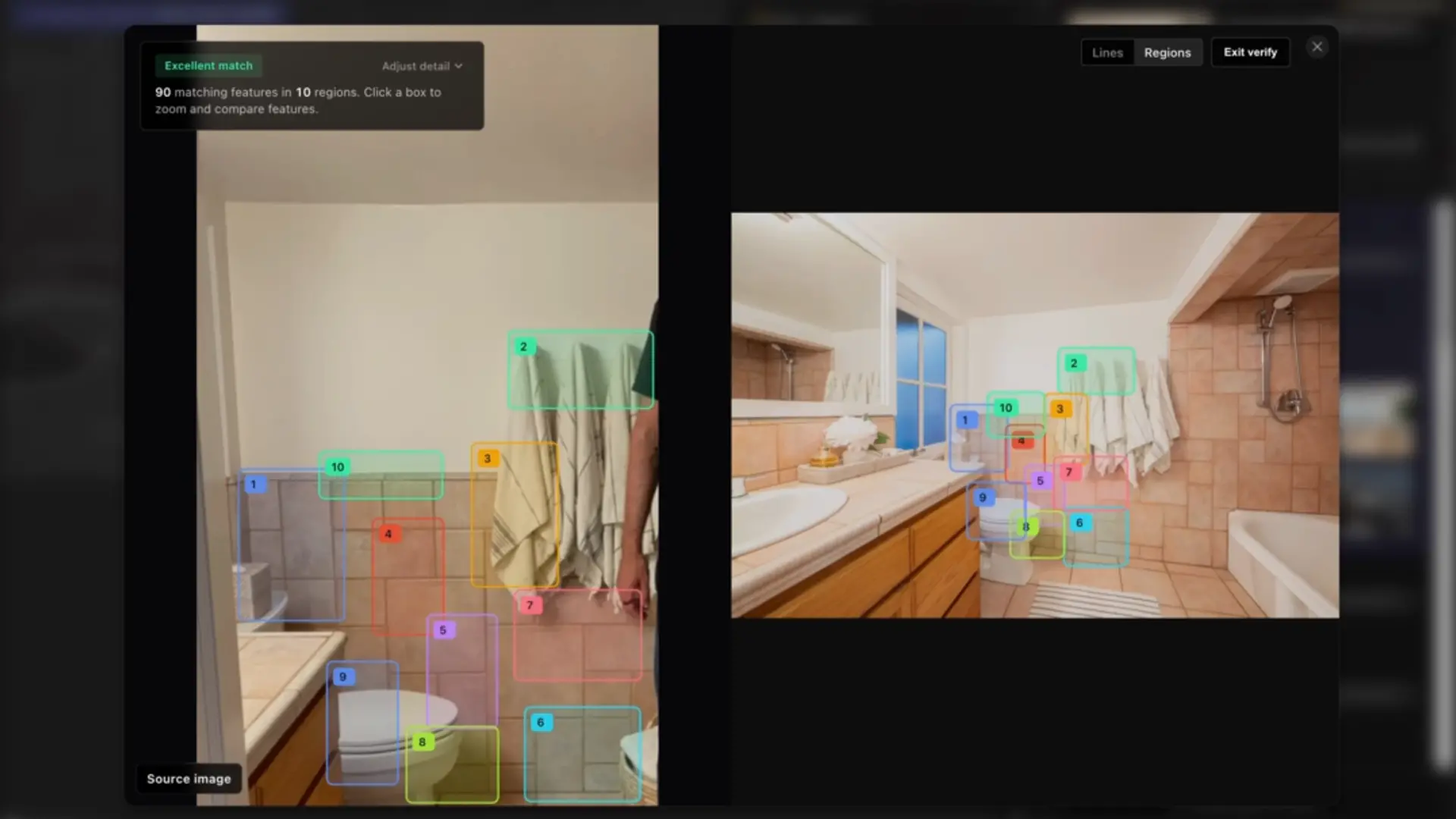
A new AI tool can analyze ordinary household photographs and estimate where they were taken by studying windows, radiators, outlets, and other visual details. The capability could help investigators, but it also raises serious privacy risks for stalking, burglary, and domestic abuse. Experts say law enforcement use should require warrants, transparency, and accuracy testing.
View more
Oct 24, 2026Twila Rosenbaum
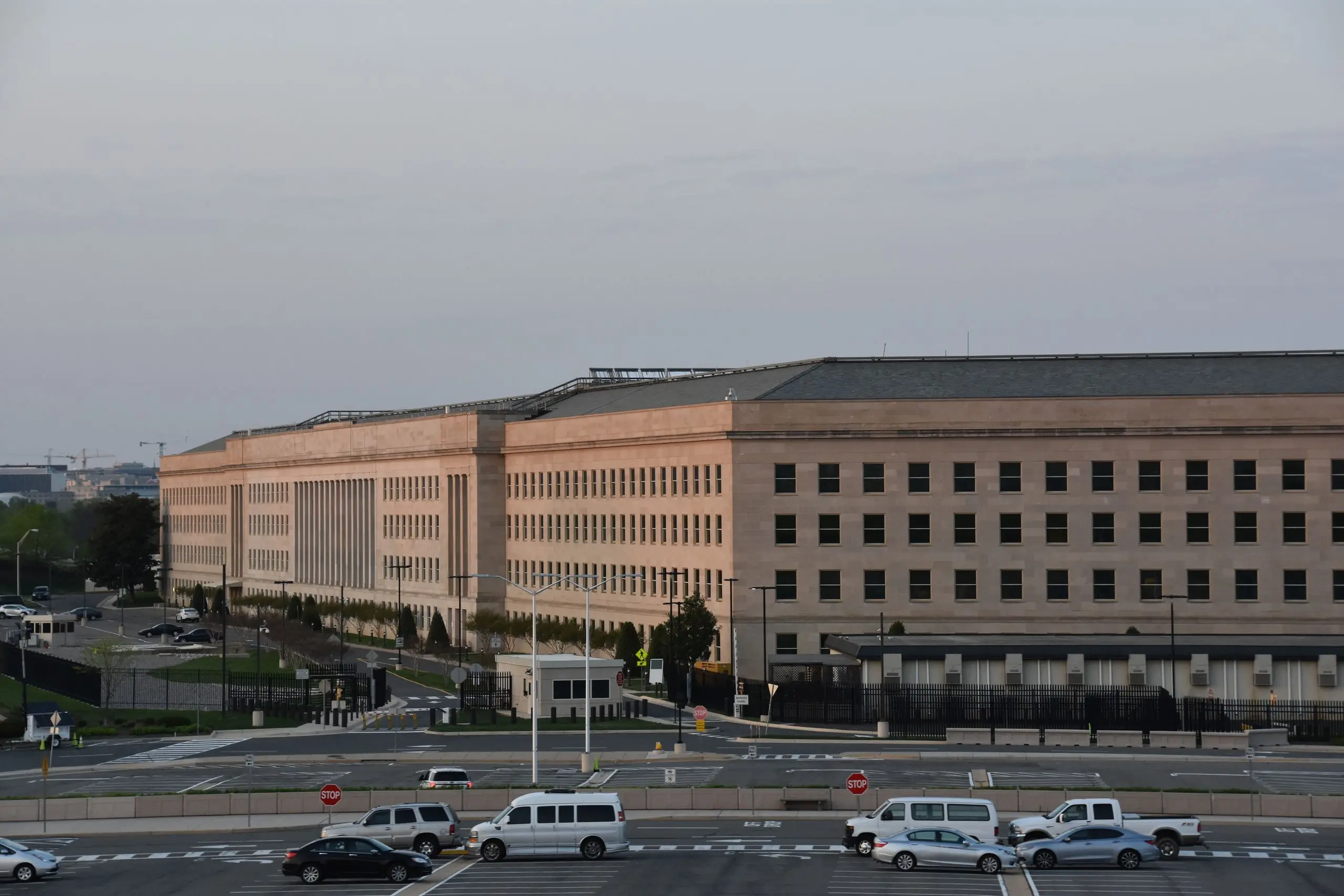
A secretive office inside the Pentagon is tasked with sabotaging the technology adversaries depend on, from tampered hardware to quietly degraded software. Its operations are designed to be unattributable, and much of its work is shielded from public view. Lawmakers and former officials are now asking who authorizes these missions and how they are reviewed. The debate touches on a fundamental tension between operational secrecy and democratic accountability.
View more
Your experience on this site will be improved by allowing cookies
Cookie Policy
These cookies are essential for the website to function properly.
These cookies help us understand how visitors interact with the website.
These cookies are used to deliver personalized advertisements.