

The shift from automated response to reasoning
Network operations teams are entering a new phase in which automation is expected to do more than execute a predefined command. The emerging model is probabilistic automation: the ability to reason, plan and execute actions autonomously within defined governance boundaries. It is conditional autonomy rather than an all-or-nothing transfer of control to a machine. These systems use artificial intelligence to create nuanced, multi-step workflows based on specific content, context and prior learning. The process is not instantaneous, and it should not be mysterious. Visibility and control are what make it trustworthy.
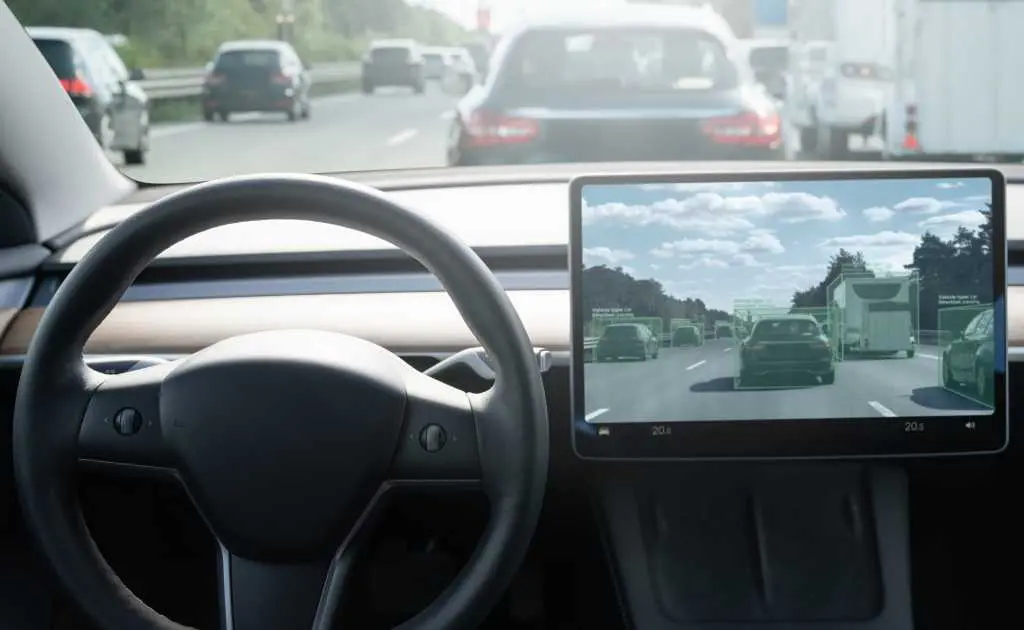
The concept can be off-putting. Self-driving cars illustrate why. Vehicle automation has progressed through parallel parking assist, driver assistance and hands-free driving, but fully self-driving cars still require a leap of faith many people are unwilling to make. Enterprise network automation does not need to repeat that pattern. Network infrastructure owners and their teams need automation that is governed, repeatable and safe in production. They need to see what the system is doing, understand why it is doing it and intervene when necessary. No leap of faith required.
Why NetOps is under pressure
Network engineers are responsible for keeping lines of communication open, medical equipment online, financial transactions flowing and the lights on. Their job is to maintain network resilience across environments that are growing in scale and diversity. The average cost of downtime can reach $15,000 per minute, which makes the urgency to automate tasks more intense than ever. Reducing errors, saving time and costs, and strengthening resilience are not abstract goals. They are operational necessities.
Many NetOps teams have already embraced deterministic network automation to perform predefined, atomic tasks in a prescriptive way. Backups and updates are two common examples. A team might run an automation to back up a fleet of network devices, or to update the operating system version for continuous maintenance. Best practice calls for validating the backup once it is complete or backing up a device before a change so that the team can roll back if there is an issue. Those additional steps are important, but they can be time-consuming to automate and they vary by device specifications and network environments. As a result, teams often rely on a library of pre-built, tested automations to ensure they run reliably.
From discrete tasks to chained automations
For more complex and dynamic activities, AI-driven automation offers a way to take automation to the next level by combining probabilistic reasoning with deterministic execution. Chaining together discrete automations is now a practical option, with AI serving as a trusted assistant to support automation activities. AI can draw on a library of previously used automations, identify the discrete tasks that, when combined, closely match the request, and adapt them to the specific situation. It can enrich the data by referencing specific context and incorporating prior experience, then compose the smaller units of automation into a broader automated process.
This is different from a single automated action that runs blindly from start to finish. A chain may include discovery, validation, change execution, verification and rollback. AI can propose the sequence, while deterministic components carry out individual steps. The important point is that the workflow remains inspectable. Engineers can review what will happen before it happens, confirm that each step aligns with internal practices and decide where human approval is required.
Vulnerability remediation as a proving ground
Vulnerability prioritization and remediation is a timely example because AI-capable models are amplifying the noise around software flaws and exploits. Probabilistic automation enables teams to take a pragmatic approach to the challenge. AI can quickly map which vulnerabilities apply to specific devices and configurations, identify vulnerabilities that are being exploited in the wild, prioritize remediation based on the actual risk to the network, recommend a remediation or workaround without introducing new risks, and provide and execute remediation steps.
That does not mean the AI should be allowed to act without oversight. A team can review the proposed chain and adjust it for operational reality. A device in a sensitive network segment might require a maintenance window, while another device can be patched sooner. The AI can use context to assemble a sensible workflow, but the human expert validates the steps and sets the boundaries. This is where probabilistic reasoning becomes useful without becoming reckless.
Governance and detail determine trust
Nuance and governance are central to making this model work. Every NetOps team has its own standard operating procedures. Network devices have quirks, network environments differ and the time it takes to complete activities varies. A detailed understanding of the mechanics of the activity and the automation helps teams determine whether each step aligns with internal practices, meets device requirements and is set up for success or could create an issue. Notifications and boundaries put people in control, enabling them to get ahead of problems, investigate and make decisions.
Chains give teams a clear, digestible way to do this without requiring scripting knowledge. As the expert, an engineer validates each step to ensure it aligns with established practices. The engineer sets exception-based alerts and designated checkpoints based on specific parameters. Each discrete automation is tested in a lab environment before it is added to the chain. Finally, the entire chain is tested before it is implemented in production. This process makes automation auditable and helps prevent hidden failures from reaching critical infrastructure.
Transparency, auditability and human-in-the-loop
Transparency, auditability and a human-in-the-loop process allow teams to up-level automation and achieve an outcome they can trust. AI should be treated as an assistant, not as the accountable actor. Humans are accountable for actions taken, and they must remain the experts who validate intent, review exceptions and approve high-impact changes. The model keeps judgment with the people who understand the network, its constraints and its business context.
Governance boundaries can include approval gates, rollback thresholds, time windows and blast-radius limits. Notifications can alert engineers when an exception occurs. Audit trails can show what ran, when it ran, why it ran and what result followed. These controls support post-incident review and continuous improvement. They also make it easier to explain automation decisions to security teams, auditors and business stakeholders.
Lessons from self-driving cars
Self-driving cars face a myriad of situations they were never trained to handle. When they are in trouble, they do not always know to ask for help, and there is no easy way for a passenger to intervene and stop the car. Network automation should avoid that trap. Visibility and control are not optional features. They are the foundation of trust.
Conditional autonomy must be bounded. A system should know when to stop, when to escalate and when to ask for human approval. That is especially important in production networks, where a small misstep can affect many users, devices or services. The goal is not to remove humans from the process. The goal is to give humans the leverage of automation while preserving the ability to intervene.
What network teams should demand
Network teams should demand clear chain visibility, notifications, checkpoints, testability, audit trails, exception handling and rollback. They should know which automations are deterministic and which involve AI reasoning. They should define where AI can act and where human approval is required. They should test in a lab and stage the workflow before production, then monitor outcomes after deployment.
This changes the role of the network engineer. Engineers become supervisors and designers of automation. They validate steps, design guardrails and interpret exceptions. AI handles repetitive toil and pattern matching, while humans retain accountability and expertise. This division of labor is how teams can scale operations without losing control.
The operational payoff
The potential benefits include reduced toil, fewer errors, saved time and costs, and stronger resilience. Automation can bring consistency to repetitive work, preserve institutional knowledge and capture context that would otherwise be lost. It can improve prioritization in vulnerability management, shrink exposure windows and reduce outage risk during maintenance. In incident response, chained workflows can gather diagnostics and apply known fixes more quickly than manual coordination allows.
The payoff depends on trust. It should not require a leap of faith. Combining probabilistic reasoning with deterministic execution helps teams manage complex network environments at scale. It also delivers AI-driven automation that NetOps teams can trust in production. Human accountability remains the constant: AI as assistant, humans as experts, governance as the boundary. That is the right next step in the evolution of network automation and allows network engineers to enjoy the ride.
Source: Network World News