

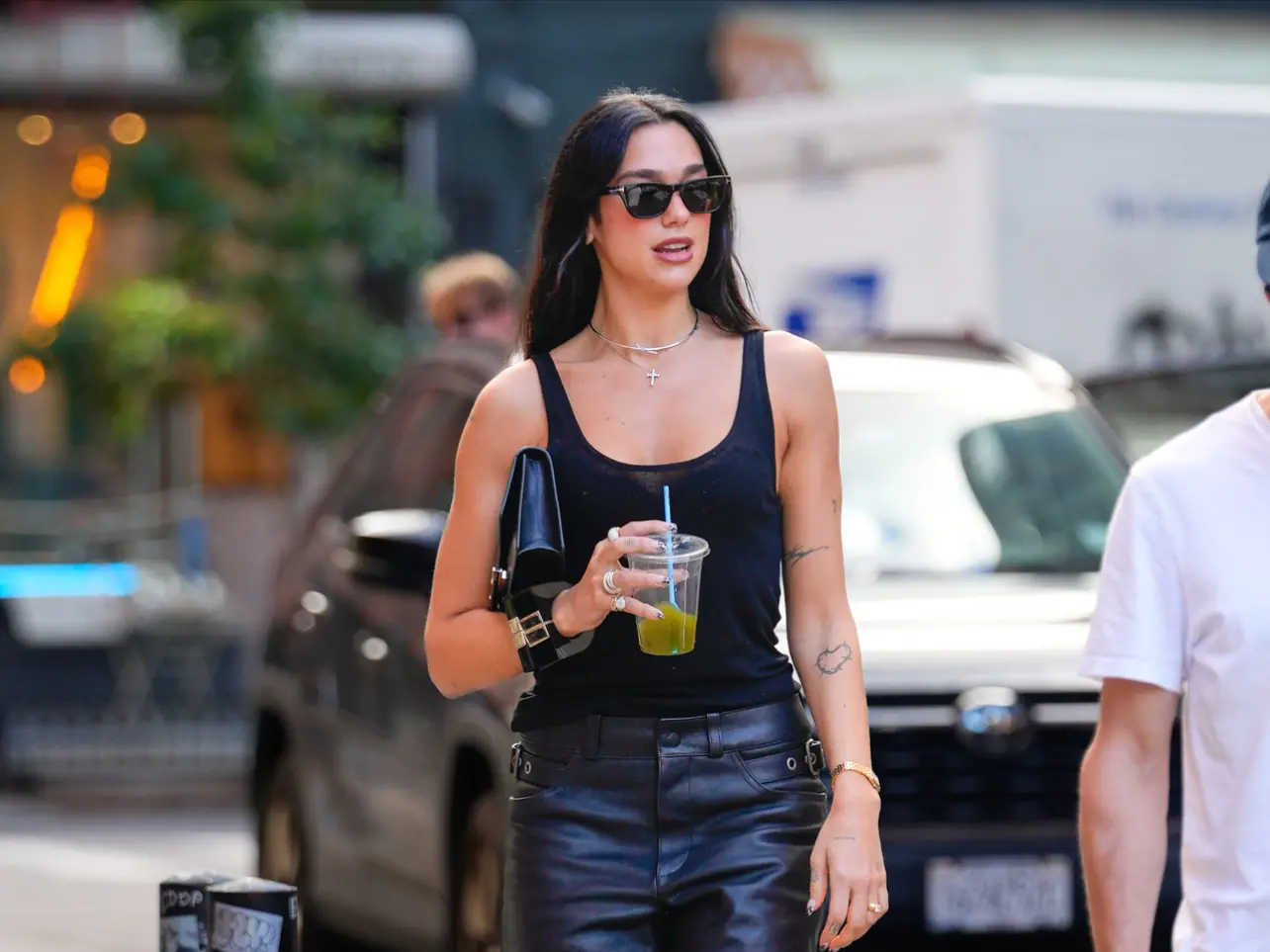
Dua Lipa's rise to international superstardom is a powerful narrative of determination, resilience, and unwavering belief in oneself. Born in London in 1995 to Albanian parents who had fled Kosovo during the war, Lipa grew up straddling two worlds: the vibrant Albanian culture of her home and the fast-paced life of a global metropolis. From an early age, she was drawn to music, but her path was far from smooth.
Early Doubts and a Defining Moment
As a child, Lipa loved to sing, but a teacher's comment nearly crushed her aspirations. The teacher told her bluntly: "You are not made to sing." For many, such words would have ended a dream. For Lipa, they ignited a fierce determination. She carried that criticism as fuel, refusing to let it define her future.
When she was 11, her family moved back to Kosovo, a country still scarred by war. There, Lipa felt out of place and increasingly certain that her musical ambitions could not be fulfilled in that environment. She longed to return to London, where opportunities seemed boundless and where she could truly pursue her craft.
A Brave Return to London
At just 15, Lipa made a life-altering decision. She moved back to London alone, armed with little more than courage and a dream. Days were spent working as a waitress and model to support herself, while nights were reserved for recording songs and uploading covers to YouTube. There were no guarantees, no shortcuts—only hard work and hope.
Her online presence gradually built a following, but the breakthrough came in 2017 with the release of "New Rules." The song became a global phenomenon, reaching number one in the UK and dominating charts worldwide. Lipa was no longer just a dreamer; she was a force on the international music scene.
Facing Criticism and Rising Stronger
Success, however, brought its own challenges. In 2018, after a performance at the Brit Awards, Lipa faced a wave of mockery and online criticism. A viral comment spread rapidly, emblematic of the prejudices often hurled at rising artists. Overwhelmed, she stepped back from social media and remained silent for a time.
But she did not give up. When she returned, it was with renewed strength and a sharper focus. The song "Don't Start Now" became an anthem of resilience, proving that she had not only survived but thrived. The criticism had not broken her; it had forged her into a more formidable artist.
Albums, Awards, and a Lasting Legacy
Lipa's debut album, Dua Lipa (2017), and its follow-up, Future Nostalgia (2020), cemented her status as a pop powerhouse. The latter earned her the Grammy for Best Pop Vocal Album, and singles like "Levitating" and "Physical" became staples of modern pop. She has since performed at the world's biggest stages, from Glastonbury to the Grammys, and has become a voice for empowerment and self-expression.
Beyond her music, Lipa has used her platform to advocate for social causes, including LGBTQ+ rights and mental health awareness. Her journey from a teenage dreamer to a global icon inspires millions, especially those who have been told their dreams are impossible.
In interviews, Lipa often reflects on the early doubts and how they shaped her. She has said that being told she couldn't sing only made her work harder. That experience taught her that the most important opinion is her own. Today, with multiple awards, record-breaking tours, and a devoted fan base, Dua Lipa stands as a living proof that talent combined with perseverance can change the narrative.
Her story continues to unfold, with new music and ventures on the horizon. But one thing remains constant: Dua Lipa did not change her dream; she changed the way the world sees her. And in doing so, she has shown that the greatest victories come from the deepest struggles.
Source: Albinfo News