

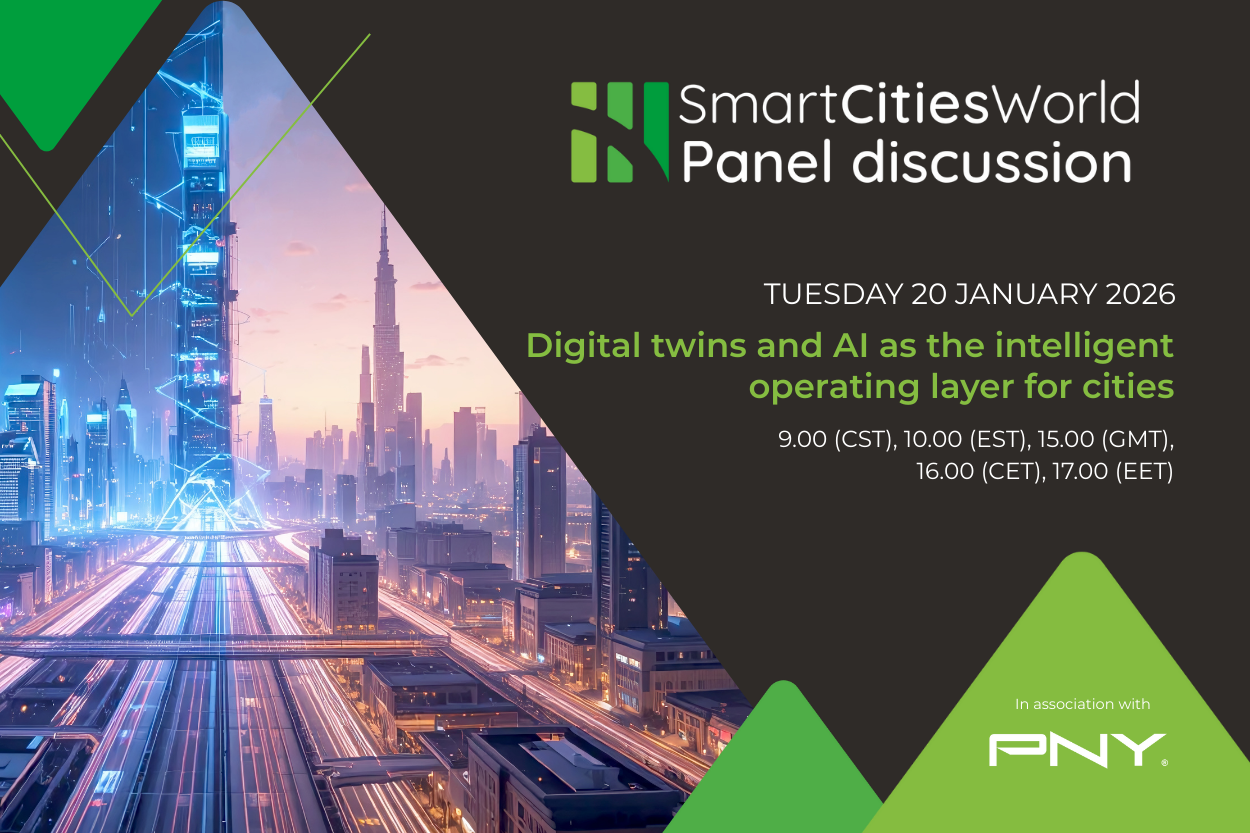
As urban areas continue to grow and face complex challenges, the adoption of advanced technologies such as digital twins and artificial intelligence (AI) is becoming increasingly vital. During a recent OnDemand panel discussion, experts examined how these technologies can serve as an intelligent operating layer for cities, improving their management and functionality.
Understanding Digital Twins in Urban Management
Digital twins are virtual representations of physical entities, allowing city planners and managers to simulate, analyze, and optimize urban environments. By integrating real-time data, these digital replicas provide insights that can lead to better decision-making. For instance, they can help in predicting traffic flows, managing energy consumption, and even planning public services more effectively.
The Role of AI in Enhancing City Operations
AI complements digital twins by processing large volumes of data to identify patterns and trends. This capability is crucial for developing predictive models that can inform urban strategies. For example, AI can analyze historical traffic data to forecast congestion, enabling city officials to implement proactive measures. Furthermore, AI-driven analytics can enhance public safety by predicting and responding to emergency situations more efficiently.
Case Studies and Real-World Applications
Several cities worldwide are already harnessing the power of digital twins and AI. For example, in Singapore, the Urban Redevelopment Authority utilizes a digital twin to visualize and simulate urban planning scenarios. This allows for more informed decision-making regarding land use and infrastructure development.
In another instance, Barcelona has implemented AI technologies to optimize waste management systems. By analyzing data from sensors placed in waste bins, the city can optimize collection routes, reducing costs and environmental impact.
The Future of Smart Cities
The integration of digital twins and AI represents a significant leap toward smarter urban environments. As cities strive to become more resilient and sustainable, these technologies will play a crucial role. They not only enhance operational efficiency but also improve the quality of life for residents by creating more responsive and adaptable urban ecosystems.
Challenges and Considerations
Despite the promising potential of digital twins and AI, there are challenges to overcome. Data privacy and security remain paramount concerns, as the collection and analysis of vast amounts of citizen data must be managed responsibly. Additionally, cities must ensure equitable access to these technologies to avoid widening the digital divide.
Conclusion
As we move forward, the collaboration between technology providers, city planners, and community stakeholders will be essential in realizing the full potential of digital twins and AI. By embracing these innovations, cities can not only enhance their operational capabilities but also foster a more inclusive and sustainable urban future.
Upcoming Events and Further Reading
Stay informed about the latest developments in smart city technologies by joining our upcoming OnDemand webinars and panel discussions. Our editorial newsletter will keep you updated with news, interviews, and expert opinions in the realm of urban innovation.
Source: Smart Cities World News