

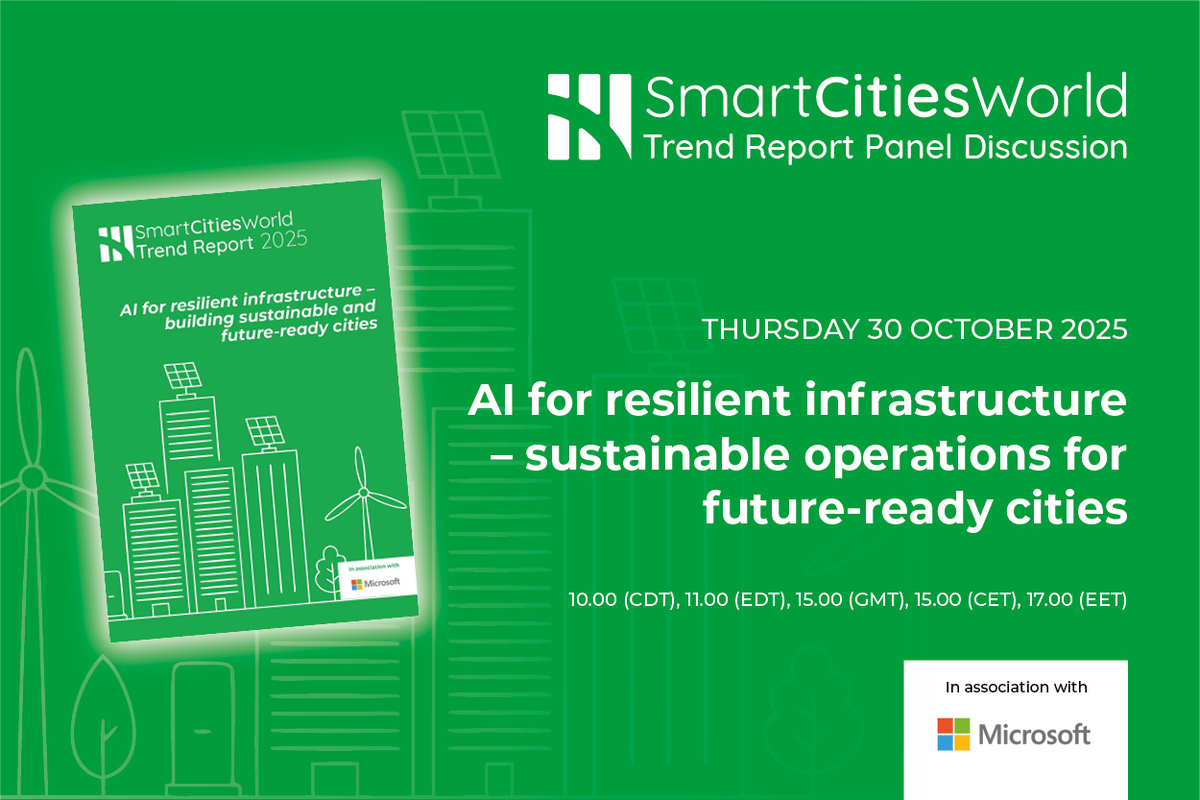
The OnDemand Trend Report Panel Discussion titled 'AI for Resilient Infrastructure – Sustainable Operations for Future-Ready Cities' explores the transformative potential of artificial intelligence in enhancing the resilience and sustainability of urban environments. As cities face increasing challenges from climate change, population growth, and infrastructure demands, the integration of AI technologies offers promising solutions to build smarter, more adaptive urban frameworks.
Understanding the Role of AI in Urban Infrastructure
AI is increasingly recognized as a pivotal tool in managing urban infrastructure. This panel discussion will feature experts who will share insights on how AI can be utilized to improve operational efficiencies, reduce resource consumption, and enhance service delivery in cities. Topics of discussion will include predictive maintenance of infrastructure, smart energy management systems, and data-driven decision-making processes that leverage real-time information.
Key Insights from Industry Leaders
The panel will consist of thought leaders and practitioners from various fields, including urban planning, environmental science, and technology development. Each participant will provide unique perspectives on the current state of urban infrastructure and the future potentials of AI applications. They will discuss case studies where AI has been successfully implemented to create more resilient urban systems, highlighting the benefits and challenges encountered during these initiatives.
Next Steps for Sustainable Urban Development
In addition to discussing existing applications, the panel will also emphasize the importance of collaboration among stakeholders, including government agencies, private sector companies, and community organizations. By fostering partnerships, cities can share knowledge, resources, and best practices to ensure that AI technologies are effectively integrated into urban planning and operations.
Broader Implications for Future-Ready Cities
As cities transition into future-ready environments, the role of AI will only become more critical. This discussion aims to outline strategies for cities to leverage AI in their planning processes, ensuring that infrastructure not only meets current demands but is also adaptable to future challenges. The insights gained from this panel will serve as a roadmap for municipalities looking to embrace technological advancements while prioritizing sustainability and resilience.
Related Webinars and Events
Participants are encouraged to explore additional resources and discussions, including the 'OnDemand Webinar: Getting Your Data Strategy Right for Smarter Sites and Safer Operations,' and the 'OnDemand Webinar: How Sensors, AI, and Digital Twins Can Shape the Future of Urban Transport.' These events will further elaborate on the intersection of technology and urban resilience.
For those interested in the broader implications of AI in governance, the 'OnDemand Trend Report Panel Discussion: AI for Personalised Government Services – Building Trust and Inclusivity in Cities' will also be held, addressing how AI can enhance citizen engagement and service delivery.
Conclusion
The OnDemand Trend Report Panel Discussion on AI for resilient infrastructure is a vital opportunity for stakeholders in urban development to gather insights and forge connections that will enable the creation of sustainable, future-ready cities. By embracing AI, cities can not only improve their operational effectiveness but also enhance the overall quality of life for their residents.
Source: Smart Cities World News