

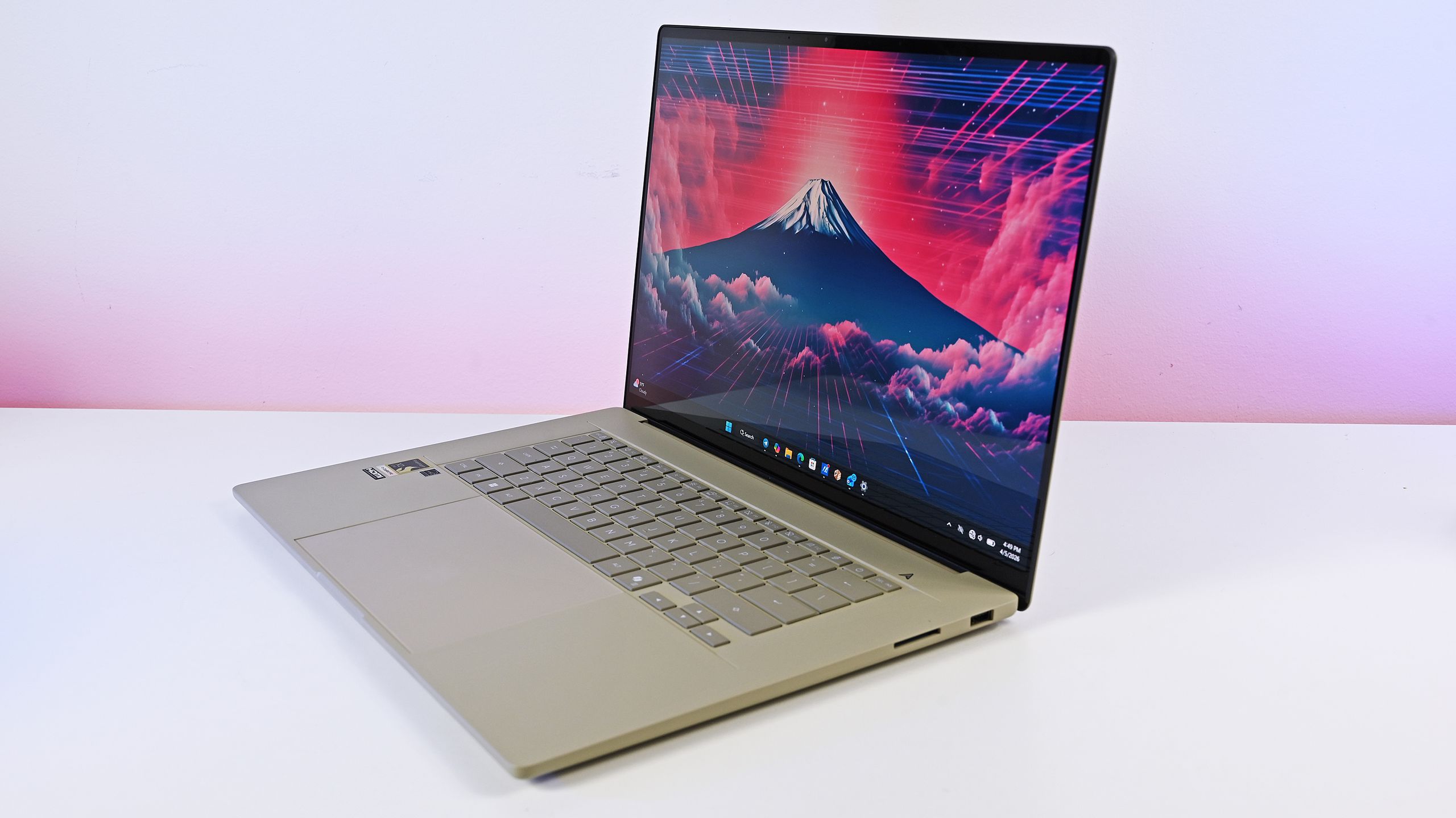
The emergence of Snapdragon X PCs has stirred a significant amount of debate in the technology sector. Despite the innovative advancements these devices offer, they have unfortunately become the target of lazy journalism and uninformed critiques. This article aims to unpack these misconceptions and highlight the true capabilities of Snapdragon X technology.
Snapdragon X PCs are built on the foundation of Qualcomm's Snapdragon processors, which have historically been associated with mobile devices. However, their transition into the PC market is a testament to the evolution of computing technology. These devices promise a blend of performance and efficiency, leveraging the advantages of ARM architecture to deliver impressive battery life and processing power.
Critics often overlook the unique advantages that Snapdragon X PCs bring to the table. For instance, the integration of 5G connectivity allows these devices to maintain high-speed internet access without relying on Wi-Fi. This feature is particularly beneficial for professionals who are on the move and require constant connectivity. Furthermore, the energy efficiency of Snapdragon processors translates to longer usage times, making them ideal for portable computing.
Misconceptions about Performance
One of the most common misconceptions about Snapdragon X PCs is their perceived lack of power compared to traditional x86 architecture. While it's true that many applications have been optimized for Intel and AMD processors, this does not inherently mean that Snapdragon X devices are inferior. In fact, numerous benchmarks have shown that Snapdragon processors can compete effectively with their x86 counterparts in various tasks, especially those related to everyday computing and mobile applications.
Moreover, the software ecosystem around Snapdragon X PCs is rapidly expanding. Major operating systems like Windows have begun to optimize their platforms for ARM architecture, ensuring that users can access a wide range of applications. As developers continue to adapt their software for Snapdragon processors, the performance gap will continue to close.
Addressing the Critiques
Many critiques of Snapdragon X PCs stem from a lack of understanding of the technology's potential. Some journalists dismiss these devices outright, often labeling them as 'underpowered' or 'ineffective' without taking the time to explore their capabilities fully. This trend of lazy reporting does a disservice to both the technology and consumers who may benefit from these advancements.
It is essential to recognize that every new technology faces skepticism, particularly when it disrupts established norms. The transition from traditional PCs to devices powered by Snapdragon processors represents a significant shift in the computing landscape. As with any technological evolution, there will be hurdles to overcome, including software compatibility and consumer education.
The Future of Computing
Looking ahead, the future of Snapdragon X PCs appears promising. With ongoing developments in processor technology and software optimization, these devices are poised to carve out a substantial niche within the PC market. As more consumers and businesses become aware of the benefits that Snapdragon X technology offers, the demand for these devices is likely to grow.
In conclusion, while the current discourse around Snapdragon X PCs may be rife with misunderstandings, it is crucial to approach this technology with an open mind. By recognizing its potential and addressing the criticisms with factual information, we can pave the way for a more informed discussion about the future of computing. The path ahead may be challenging, but innovation often requires navigating through skepticism and resistance.
Source: Windows Central News