

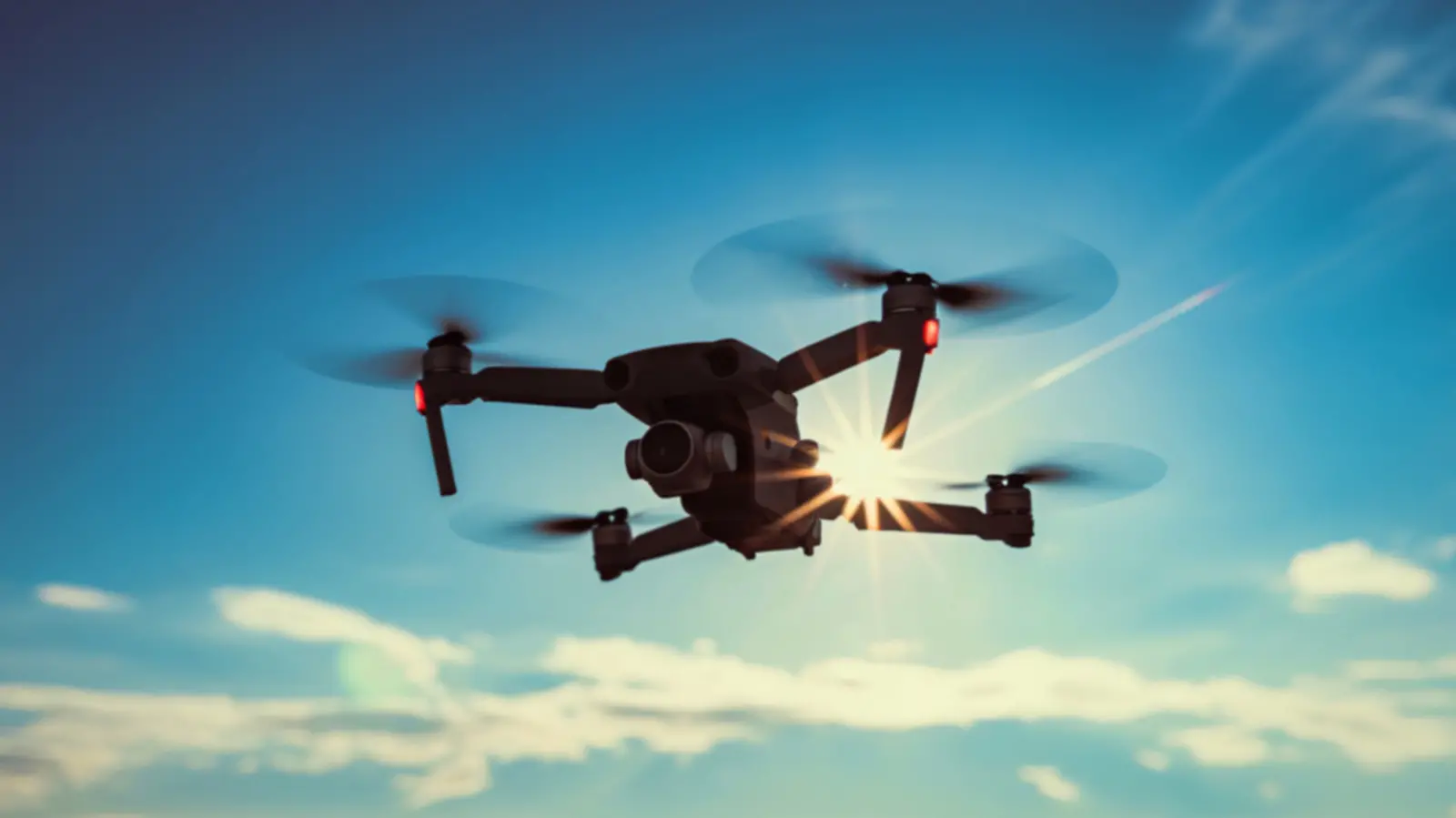
The 2026 FIFA World Cup has brought an unprecedented wave of excitement and international visitors to the United States. With matches drawing massive crowds at stadiums across the country, the atmosphere is electric. Yet beneath the surface of celebration lies a serious security challenge: the proliferation of unauthorized drones near venues. The Transportation Security Administration (TSA) recently revealed that over 300 drones have been seized after flying into restricted airspace around World Cup stadiums, a number one security official described as 'quite shocking.' This article explores the scope of the problem, the regulations in place, the penalties for violators, and why drone operators must be more vigilant than ever.
The Scope of Drone Incursions
The TSA, in coordination with the Federal Aviation Administration (FAA), the Department of Homeland Security, the FBI, and the White House FIFA World Cup Task Force, has implemented a comprehensive security operation for all official matches. Airspace within a three-mile radius of stadiums is restricted up to 3,000 feet in altitude, with additional one-mile and 1,000-foot restrictions around fan gathering areas. Despite these clear boundaries, more than 300 drones have been intercepted since the tournament began. Andrew Giuliani, head of the White House World Cup Task Force, confirmed to ABC News that every match and fan event includes 'counter-drone mitigation protection,' meaning any unidentified drone is treated as a potential threat. The sheer number of incursions highlights either a lack of awareness or willful disregard for the rules.
Historical context provides perspective. During previous large-scale events like the Super Bowl or the Olympics, drone seizures typically numbered in the dozens, not hundreds. The 2018 Winter Olympics in PyeongChang saw fewer than 50 drones detained. The 2024 Summer Olympics in Paris experienced around 100 incidents. The current World Cup tally of over 300 is unprecedented. Security experts attribute this to the massive number of fans—many of whom are casual drone enthusiasts—and the geographic spread of matches across 16 stadiums in 11 U.S. cities. With millions of attendees, even a small fraction of drone owners ignoring restrictions can lead to a spike in violations.
Understanding the Airspace Restrictions
The regulations governing drone flight near World Cup venues are not arbitrary. They are based on federal statutes and temporary flight restrictions (TFRs) issued by the FAA. TFRs are common for major sporting events, but the World Cup TFRs are among the most restrictive ever seen in the United States. Within the three-mile radius, no drone may operate without explicit authorization from the FAA and the event security command. This includes recreational, commercial, and hobbyist UAVs. Even drones operating under the FAA's Remote ID rule are subject to immediate confiscation if detected in the restricted zone.
In addition to stadiums, the restrictions cover official fan zones, such as those in Boston Common or the National Mall in Washington, D.C. These areas are designed to host thousands of spectators watching matches on big screens. Drones within one mile of these zones are prohibited, with a ceiling of 1,000 feet. The intent is to prevent any accidental or malicious interference with the dense crowds. The TSA has reported that many of the seized drones were operated by tourists who were unaware of the rules, while others were clearly deliberate attempts to capture aerial footage of matches. Ignorance, however, is no defense under the law.
Penalties and Enforcement
Drone operators caught violating these restrictions face severe consequences. Civil penalties can reach up to $100,000 per violation, and the TSA has the authority to confiscate the drone immediately. Criminal charges may also apply, with the FBI Miami office issuing a social media warning that operators could face up to one year in federal prison. This is not hyperbole; under Title 18 of the U.S. Code, flying a drone in a restricted area can be considered a criminal offense if it endangers national security or public safety. Additionally, operators may be liable for any damages caused by interference with manned aircraft or emergency operations.
The enforcement mechanism relies on advanced counter-drone technology. The FBI and local law enforcement use radio frequency detectors, radar systems, and drone-jamming equipment to locate, track, and disable unauthorized drones. In many cases, the drone is simply forced to land and is then seized. Operators may not immediately realize their drone has been taken, as the technology can render it unresponsive. Once confiscated, drones are held until the end of the tournament, and owners must navigate a bureaucratic process to retrieve them—likely after paying a fine. Repeat offenders may face escalated penalties.
Comparisons to previous events are instructive. During the 2020 Tokyo Olympics, Japanese authorities arrested a foreign tourist for flying a drone over a stadium. In the United States, drone incursions at NFL games have resulted in civil fines of up to $20,000. The World Cup penalties are an order of magnitude higher, reflecting the elevated threat level. The involvement of multiple federal agencies means that coordination is seamless; a drone detected by local police can trigger a federal response within minutes.
Why Drone Operators Must Be Vigilant
For the average drone owner, the message is clear: before launching, check for active TFRs. The FAA provides a free app, B4UFLY, that shows real-time airspace restrictions. Operators should also consult local advisories and the official World Cup security notifications. Social media posts from the FBI and TSA have urged the public to 'know before you fly.' Moreover, ignorance of the law is not an excuse; the FAA publishes clear guidelines, and any drone pilot who passes the FAA's Part 107 test understands the concept of restricted airspace. Even recreational operators under the Exception for Limited Recreational Operations (ELRO) must abide by all TFRs.
The consequences extend beyond legal penalties. A drone that enters restricted airspace can cause significant disruption. In 2018, a drone forced the temporary suspension of air traffic at London Gatwick Airport, affecting over 100,000 passengers. Near a stadium, a drone could delay a match, endanger helicopters used for broadcast or medical evacuation, or cause panic among spectators. The security apparatus is designed to neutralize these threats quickly, but the operator remains responsible for any chaos they create.
Some operators have argued that drone restrictions infringe on their hobby or commercial work. However, the temporary nature of these TFRs and the clear public safety rationale outweigh individual concerns. The FAA has balanced the interests of drone pilots with the need for event security, providing designated areas outside the restricted zones for responsible flying. For example, several parks in host cities have been set aside as 'drone-free viewing areas' where enthusiasts can still fly without violating regulations. These positive alternatives demonstrate that the authorities are not anti-drone but rather anti-reckless flying.
Technological and Operational Aspects of Counter-Drone Measures
The counter-drone systems deployed for the World Cup are among the most sophisticated in the world. They include drones that can physically intercept rogue UAVs, as well as electronic warfare tools that spoof GPS signals or jam communication links. The FBI has used these assets in previous events like the Super Bowl and political conventions. The systems are operated by trained personnel who can differentiate between a harmless drone and an intentional weapon. Given the high concentration of people and assets, the risk of a drone being used for malicious purposes—such as carrying explosives or performing reconnaissance—is taken very seriously.
These systems also collect metadata on drone operators, such as the controller's location and signal signature. This information can be used for prosecution. In some cases, police have arrived at the operator's location within minutes of detection. The integration of multiple agencies means that data flows quickly from the detection point to decision-makers. The TSA has emphasized that the primary goal is deterrence and safety, not punishment, but operators should not expect leniency.
Looking ahead, the lessons from these World Cup drone seizures may influence future security protocols for major events in the United States, including the 2028 Summer Olympics in Los Angeles. The scale of incursions suggests that public awareness campaigns need to be more aggressive. The TSA has already started releasing public service announcements in multiple languages, targeting international visitors who may be unfamiliar with U.S. drone laws. Additionally, some cities are exploring permanent drone no-fly zones over sports venues, even outside of events, to establish a cultural norm of respect for airspace.
In conclusion, the sight of a drone over a World Cup stadium is no longer just a nuisance—it is a serious security incident with real legal repercussions. With over 300 drones already seized, the message is unmistakable: fly responsibly, respect the restrictions, and enjoy the tournament from a safe distance. The authorities are watching, and they have the tools and determination to enforce the rules. Whether you are a seasoned commercial pilot or a tourist with a new toy, the advice is the same: keep your drone on the ground within three miles of any World Cup venue, or risk losing it—and much more.
Source: SlashGear News