

The Tale of a High Price Mistake
In the pantheon of cryptocurrency horror stories, few are as relatable—and as heartbreaking—as the one where an early Bitcoin adopter simply forgot their password. The decentralized nature of Bitcoin means that if you lose your private key or password to an old wallet, your fortune might as well be gone forever. Over the years, countless tales have emerged of people who bought Bitcoin for pennies, only to realize years later that they could never access their windfall. One of the most famous is the case of a Welsh man who accidentally threw away a hard drive containing 7,500 Bitcoin and has spent years searching a landfill. This week, however, a story broke that offers a glimmer of hope for such digital treasure hunts—thanks to an unexpected hero: an AI chatbot named Claude.
The protagonist, a user on X (formerly Twitter) who goes by @cprkrn, shared a thread detailing his 11-year struggle to regain access to 5 Bitcoin. He originally purchased the Bitcoin for around $1,250—a sum that at the time seemed like a modest investment in a quirky digital currency. Today, that same 5 BTC is worth nearly $400,000. The reason for the lockout? He admits he got extremely high one night and decided to change his wallet password. When he woke up, the new password was gone from his memory, lost in a haze of marijuana-induced creativity. For over a decade, he tried everything: brute-forcing password combinations (he claims to have tried trillions of attempts), hiring password recovery experts, even consulting psychics. Nothing worked.
How Claude Helped Crack the Code
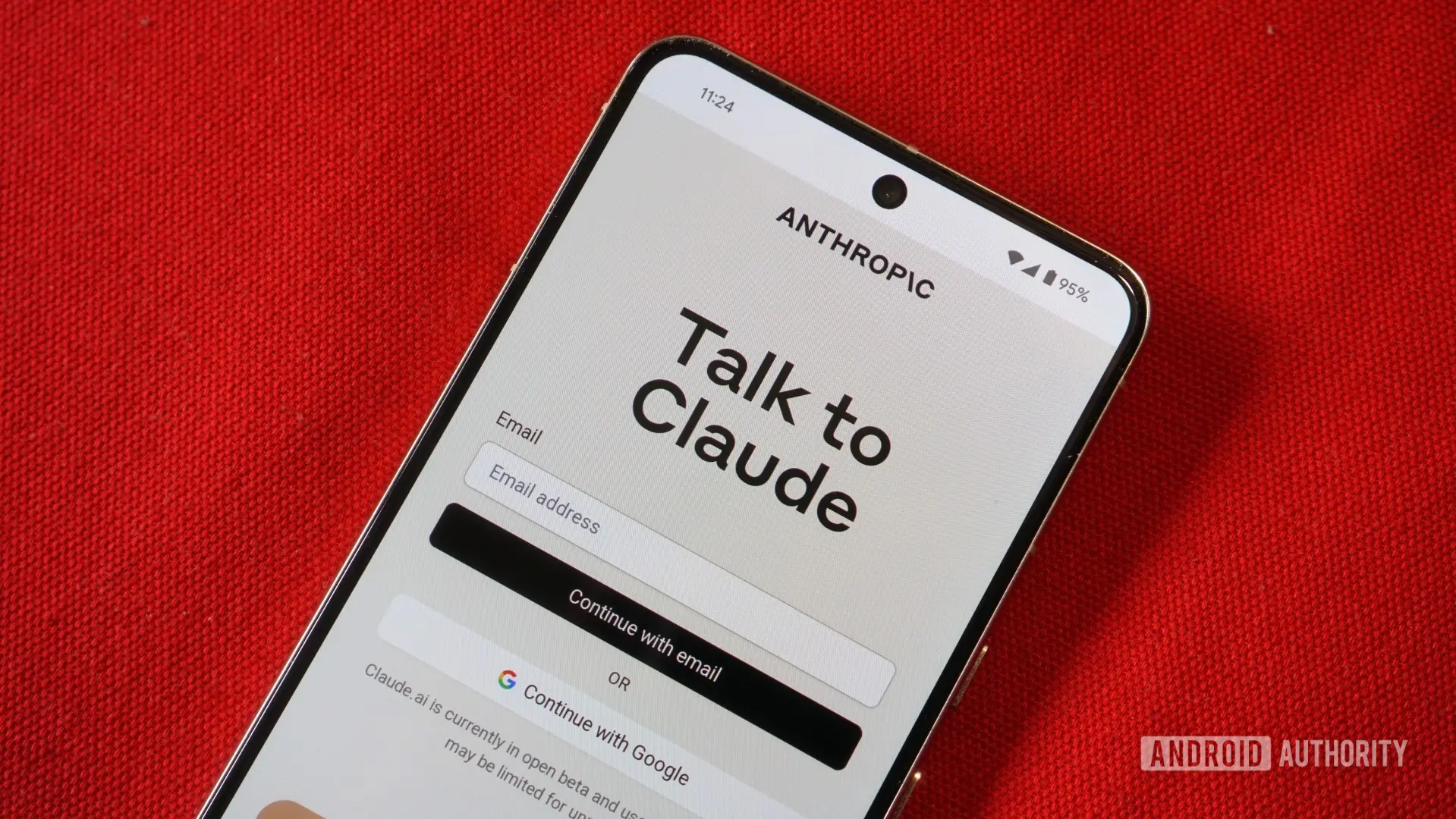
The breakthrough came when he decided to dump the entire contents of his old college computer into Anthropic's AI assistant, Claude. Unlike traditional password cracking tools that try every possible character combination, Claude offers a different kind of help: pattern recognition, contextual understanding, and the ability to sift through massive amounts of disorganized data. The user provided Claude with not only the encrypted wallet file but also his old notebooks, random text files, and even fragments of memory he had written down over the years.
According to the thread, Claude identified a wallet backup file that the user had long forgotten. More importantly, the AI connected this file to a cryptic note in a physical notebook—a password clue that had been scrawled beside doodles and shopping lists. Through iterative questioning, Claude helped the user reconstruct the password. The actual password was, as one might expect, profane and juvenile—the kind of joke password a stoned college student would set while laughing at the absurdity of Bitcoin's future value. It was a string that, when properly typed, unlocked the digital door to his fortune.
The Role of AI in Crypto Recovery
This incident is not evidence that AI can crack modern encryption. Bitcoin wallets use robust algorithms like SHA-256 and Elliptic Curve Digital Signature Algorithm (ECDSA), which are practically unbreakable with current technology. Even Claude cannot brute-force a 256-bit key. What Claude did was act as a digital archaeologist, sifting through years of personal data to find the right key or clue. The AI's strength lies in its ability to parse unstructured data—PDFs, screenshots, text files, handwritten notes photos—and find connections that a human might miss after a decade of frustration.
Cryptocurrency wallets have evolved significantly since 2013. Early wallets like the one used by @cprkrn (Blockchain.com's web wallet) often allowed users to change passwords without proper security checks, leading to such lockouts. Today's wallets have better backup and recovery options, but legacy wallets remain a problem for many early adopters. According to estimates, between 20% and 25% of all Bitcoin ever mined is lost in forgotten wallets, dead owners, or destroyed hard drives. That's millions of coins worth hundreds of billions of dollars sitting in digital limbo. The ability of AI to assist in recovery could eventually help tap into some of that lost wealth, though each case is unique.
Background: Why Crypto Users Lose Access
The concept of self-custody is both a blessing and a curse of Bitcoin. Since there is no central authority, users are solely responsible for their private keys. Mistakes are irreversible. Common reasons for loss include forgetting passwords, hardware failures, losing seed phrases, or even dying without passing on the keys. The famous case of James Howells, the Welsh IT worker who threw away a hard drive containing 7,500 Bitcoin (now worth over $500 million), highlights the extreme lengths some people go to in search of lost fortune. Howells has spent years battling legal permission to search a landfill, offering a share of the Bitcoin to the local council. His story remains unresolved, a reminder of how slim the chances of recovery often are.
In contrast, @cprkrn's story had a happy ending because he still had the original hardware—his college computer—and enough remnants of data. Claude acted as a supercharged search engine that could understand context. For example, the AI might notice that a file named 'backup.zip' had a timestamp matching the user's memory of when he changed the password, or that a random string of characters in a text file actually matched the required mnemonic format. This pattern-matching ability is far beyond simple grep searches; it uses natural language processing to infer meaning.
Implications for AI-Assisted Password Recovery
This event has sparked discussion about the broader implications of AI in password recovery. While it's still early days, AI could become a standard tool for forensic data recovery, not just for crypto wallets but for any encrypted data where the user has a chance of possessing contextual clues. Law enforcement, for instance, might use AI to crack passwords from suspects' devices if they can feed in emails, notes, and browser history. However, privacy advocates worry that such capabilities could be abused. For now, the technology is more of a helper for legitimate owners who have misplaced keys.
Anthropic's Claude, like other large language models, is designed to follow instructions and analyze data. It's not specifically built for encryption breaking, but its ability to understand human language and memory patterns makes it a powerful assistant. The user's method of feeding entire drive dumps into the model is unusual but shows creative use. He even said he had to split the data into multiple sessions because of token limits. The fact that Claude could piece together a narrative from scattered fragments is a testament to its advanced reasoning.
The Human Element: Stoner Errors and Digital Fortunes
The story's humor is not lost on the crypto community. It's a classic case of 'don't get high and mess with your password manager.' The user's willingness to share his embarrassing tale (including the profane password) has earned him sympathy and congratulations. He even offered to name his future child after Anthropic CEO Dario Amodei—a gesture that went viral. It's a reminder that behind every cryptocurrency statistic is a human story of triumph or tragedy.
As Bitcoin continues to oscillate in value and more people enter the space, the need for easy but secure password management grows. Hardware wallets, multisig setups, and social recovery are modern solutions, but they didn't exist for early adopters. For those still stuck with old wallets, Claude's success offers a beacon of hope. However, no AI can bypass strong encryption without some kind of key or clue. The moral remains: write down your passwords, store them safely, and don't change them while under the influence. And if you do, keep your old hard drives—they might be worth a fortune.
This episode also underscores the rapidly expanding capabilities of artificial intelligence in everyday life. What started as a chatbot for casual conversation has now become a detective that can unlock cold cases of digital assets. We may well see more stories like this in the coming years as AI becomes more integrated into personal data management. For now, @cprkrn can breathe easy, his 5 Bitcoin safe, and his lesson learned. He might just want to avoid smoking and clicking 'change password' ever again.
Source: Android Authority News