

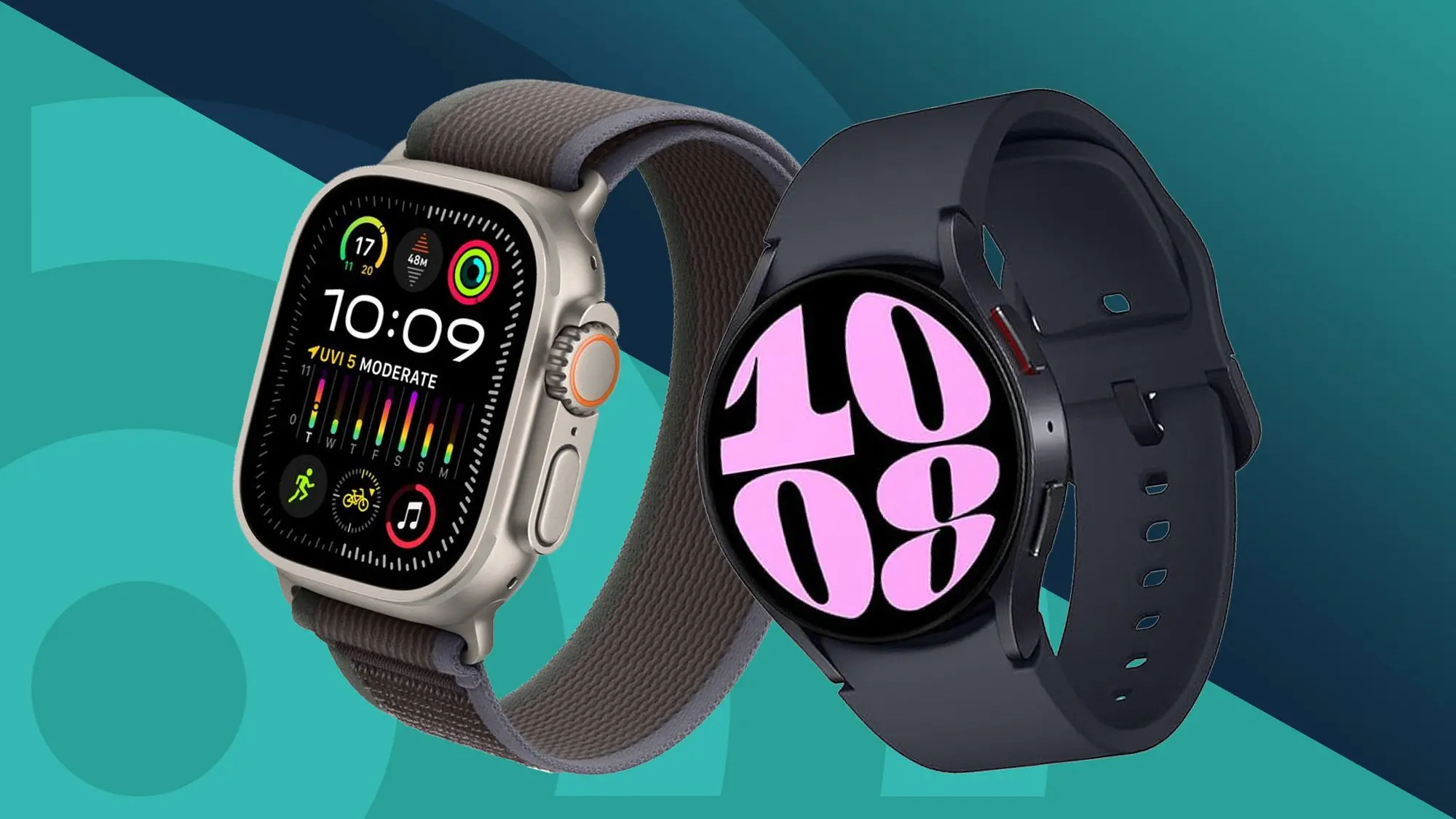
The wearable technology landscape has evolved dramatically as we step into 2026. Smartwatches are no longer mere extensions of our smartphones; they have become sophisticated health hubs, personal assistants, and fitness coaches. This year’s lineup brings enhancements in sensor accuracy, battery longevity, and artificial intelligence-driven insights. Whether you are a hardcore athlete, a busy professional, or someone simply looking to monitor daily wellness, the 2026 smartwatch offerings cater to every need. Below, we break down the key features, innovations, and standout models that define this year's market.
Unprecedented Health Monitoring
Health sensors have taken a giant leap forward in 2026. Blood glucose monitoring, once a niche feature limited to dedicated medical devices, is now integrated directly into many high-end smartwatches. Apple’s Watch Series X (widely expected to be launched later this year) and Samsung’s Galaxy Watch 7 Pro both include non-invasive glucose tracking. This technology uses optical sensors and machine learning algorithms to estimate blood sugar levels, helping users manage diabetes or simply understand how their body responds to meals. Additionally, blood pressure cuff calibration has become more accurate, with several models receiving FDA clearance for continuous systolic and diastolic readings. Body temperature tracking, too, has been refined to detect febrile states with higher precision, while sleep apnea detection is now standard across premium wearables.
Battery Life Breakthroughs
One of the most persistent pain points in smartwatch design has been battery life. In 2026, several manufacturers have cracked the code. Garmin, known for its outdoor-centric watches, continues to offer multi-week battery life in its Fenix 8 series—now with AMOLED displays that last up to 28 days in smartwatch mode. Google’s Pixel Watch 3, however, surprised everyone by achieving a full 72 hours on a single charge after a software optimization that leverages the Tensor G5 chip’s efficiency. Even Apple has improved, with the Watch Series X reaching up to 60 hours in low-power mode, a 20% improvement over the Series 9. These gains come from a combination of more efficient processors, larger batteries, and adaptive power management systems that learn user routines.
AI-Powered Personal Coaching
Artificial intelligence has become the cornerstone of modern fitness tracking. The 2026 smartwatches do not just record your steps or heart rate; they analyze your data and offer personalized coaching in real time. For instance, the Fitbit Sense 3 introduces an AI coach named “Vital” that adjusts workout intensity based on recovery scores, sleep quality, and stress levels. Meanwhile, the new Samsung Galaxy Watch 7 Pro uses a partnership with Zepp Health to deliver voice-guided form correction during exercises. Apple’s watchOS 12 now includes an on-device generative AI that creates custom strength training routines tailored to your past performance and muscle fatigue data. These features transform the smartwatch from a passive tracker into an active training partner.
Top Contenders for 2026
Apple Watch Series X
The Apple Watch Series X is expected to be the most advanced smartwatch Apple has ever released. Rumors suggest a complete redesign with a thinner chassis, microLED display, and a new health sensor for mental wellness—measuring biomarkers for stress and cognitive load. Its fitness tracking capabilities remain best-in-class for iPhone users, supporting advanced metrics like vertical oscillation and ground contact time for runners. The battery life improvement and faster charging are also major selling points.
Samsung Galaxy Watch 7 Pro
Samsung’s Galaxy Watch 7 Pro runs Wear OS 5 with One UI Watch 6, offering deep integration with Android phones. It features a rotating bezel that is intuitive for navigation, and its BioActive Sensor 3 generation provides accurate body composition analysis, including skeletal muscle mass and basal metabolic rate. The watch also includes fall detection with automatic emergency calling, and its rugged build meets MIL-STD-810H standards, making it ideal for active users.
Garmin Fenix 8
For outdoor enthusiasts and endurance athletes, the Garmin Fenix 8 remains the gold standard. It offers multiband GPS with SatIQ technology for optimal location accuracy, solar charging that can extend battery life indefinitely in bright conditions, and preloaded topo maps with ski resort data. New in 2026 are the “Expedition” mode, which reduces power consumption for weeks-long adventures, and a virtual pacer that adapts to your route terrain and elevation changes.
Google Pixel Watch 3
The Pixel Watch 3 has matured into a worthy competitor, especially for those embedded in the Google ecosystem. It now has a larger 1.45-inch screen that is always-on, running Wear OS 5 with exclusive features like “Safety Check” and “Car Crash Detection.” Its Fitbit integration provides deep sleep and respiration tracking, and the new “Readiness Score” suggests the best times for rest versus exertion. Battery life, as mentioned, is now a strong point with over three days of typical use.
Fitbit Sense 3
Fitbit’s Sense line continues its focus on stress management and holistic health. The Sense 3 can detect skin conductance changes and heart rate variability to prompt breathing exercises when stress spikes. It also measures electrodermal activity (EDA) automatically throughout the day. New this year is the “Body Response” app that maps physical reactions to digital triggers, such as emails or social media, helping users understand their digital stress footprint.
Durability and Design Trends
Smartwatch designs in 2026 lean heavily into both luxury and rugged aesthetics. Titanium cases with ceramic backings are common in the premium segment, while mid-range models use recycled aluminum and bioplastics. Most flagship watches now meet the 10 ATM water resistance rating, allowing not just swimming but deep diving up to 100 meters. The trend toward replaceable straps continues, with a growing number of ecosystems offering interchangeable bands that snap on with one-button releases. Sapphire crystal glass is nearly universal among high-end models, providing scratch resistance even in harsh environments.
Connectivity and Ecosystem Integration
All major smartwatches in 2026 support LTE connectivity as an option, ensuring independence from a paired phone. eSIM integration has become seamless, with many carriers offering plan sharing at no extra cost for watches. Ultra-wideband (UWB) chips are now standard, enabling precise location tracking for lost devices and seamless unlocking of smart locks or cars. The ability to send quick replies via voice typing has improved thanks to better noise cancelling microphones, and most watches now support two-way audio calling with crystal clarity. Furthermore, cross-platform compatibility has improved: Garmin watches work well with both iOS and Android, though advanced health features still favor the same-ecosystem pairing.
Fitness Tracking Accuracy
Accuracy remains the cornerstone of any fitness watch. In 2026, optical heart rate sensors have moved to 6-LED architectures that perform better during high-intensity interval training and weightlifting. GPS chips now support dual-frequency L1 and L5 bands, reducing signal dropout in urban canyons and under dense tree cover. New metrics such as “ground reaction force” and “asymmetric foot loading” are tracked by top-tier watches, helping runners prevent injuries. Many watches now also include temperature-adjusted altitude readings, critical for mountaineering and hill repeats.
Software and User Experience
The software experience in 2026 is dominated by fluid animations and intuitive gestures. The crown has become more responsive, with haptic feedback mimicking mechanical clicks. Watch faces are highly customizable, and complications can now be interactive—allowing you to start a workout or log water intake directly from the watch face. New update policies guarantee at least five years of major OS updates for flagships, a positive shift toward sustainability and longevity. Health data can be exported in standardized formats to electronic health records with user consent, turning the smartwatch into a legitmate medical device advisor.
Price and Value
Prices in 2026 range from budget-friendly options around $250 (like the new Amazfit Balance) to premium models exceeding $1,200 (such as the Garmin Fenix 8 Titanium Edition). The sweet spot for most buyers lies between $400 and $600, where you get a full health suite, excellent build quality, and strong battery life. Refurbished models from 2024–2025 still offer great value, as the core features have not changed drastically. It is important to note that while initial costs are high, the long-term health benefits and potential early detection of conditions can offset the price over time.
Smartwatches in 2026 are undoubtedly the most capable wearable companions ever created. With non-invasive health sensors, AI coaching, and battery life that finally matches user expectations, the decision comes down to specific needs—whether you prioritize battery life, ecosystem, or specialized sports tracking. The market is rich with options, ensuring there is a perfect smartwatch for every wrist.
Source: TechRadar News