

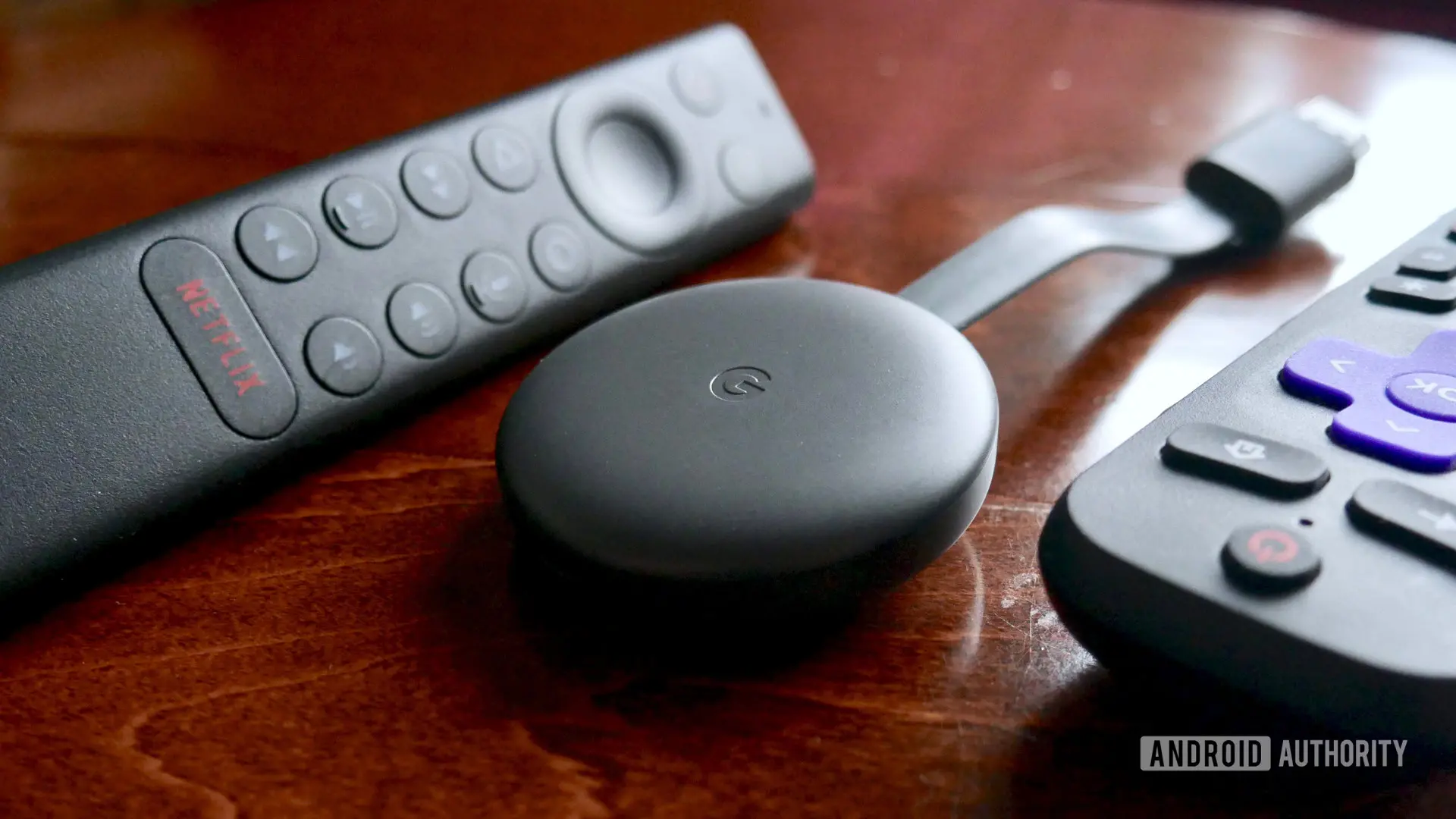
There's arguably no single product more responsible for ushering in our modern era of TV streaming than Google's humble little Chromecast. With a few bucks and an HDMI port, anybody could transform their dumb TV into a modern streaming marvel — or just sidestep their smart TV's disappointing built-in apps. Recently, though, a concerning number of users have been reporting problems with streaming to Chromecasts, and we were starting to fear this was the end of an era. Today we've got some good news, though, as Google shares an update on the situation.
Background: The Rise of Chromecast
The Chromecast line, first introduced in 2013, revolutionized how people consume streaming content. Unlike traditional set-top boxes or smart TV platforms that required dedicated remotes and complex interfaces, Chromecast offered a simple, phone-driven casting experience. Users could send video, music, and even entire screens from their smartphones, tablets, or laptops directly to their television. This minimalist approach, combined with an affordable price point (often under $40), made Chromecast a gateway device for cord-cutters worldwide.
Over the years, Google expanded the Chromecast family to include models with 4K support, Ethernet adapters, and eventually the Chromecast with Google TV — a full-fledged streaming platform with a remote and app-based interface. Despite this evolution, the original casting-only models remained popular due to their simplicity and reliability. They became staples in hotel rooms, conference rooms, and living rooms alike.
The Outage: Signs of Trouble
Earlier this week, reports began flooding social media and forums like Reddit from users who suddenly found themselves unable to cast from apps to their Chromecast hardware. The issue appeared widespread, affecting various Chromecast generations and multiple streaming services, including Netflix, YouTube, and Disney+. Rumors quickly took off that Google might be abandoning the Chromecast, or that streaming services were turning their backs on the aging hardware. Some speculated that Google had quietly shut down backend services required for casting, potentially spelling the end for millions of devices.
The timing was particularly concerning because many users had already experienced similar issues in the past with other aging streaming devices. For example, Netflix had previously blocked access to its service on certain older Chromecast models that lacked Widevine DRM support. This outage, however, felt different — it was not a service-specific block but a systemic failure affecting all casting functionality.
As the outage persisted, frustrated users began sharing workarounds. Some found success by power cycling their routers or factory resetting their Chromecasts. Others discovered that switching the casting device's Wi-Fi band (2.4 GHz vs. 5 GHz) temporarily restored functionality. These inconsistent fixes suggested the problem lay not in the hardware itself but in Google's cloud infrastructure or firmware.
Google's Response: Investigation and Resolution
In the midst of the chaos, Google's support team chimed in on a Reddit thread where users had been documenting their struggles. "We are investigating an issue impacting the ability to cast some services on Chromecast devices. We'll circle back with an update as soon as we can. Thank you for your patience," the company wrote. This statement, while vague, gave users hope that the problem was being taken seriously and might be temporary.
Just a day later, Google returned with even better news: "The issue impacting the ability to cast some services to Chromecast devices has been resolved." The company did not provide specific details about the root cause, but the fix appeared to be server-side, meaning users did not need to take any action on their end. Google also encouraged anyone still experiencing issues to contact support, indicating that a few edge cases might remain.
This rapid resolution suggests that the outage was likely caused by a configuration error or a failed update in Google's casting infrastructure rather than a planned shutdown. For Chromecast users who had feared the worst, the fix was a relief — but it also raised questions about the long-term viability of devices that no longer receive software updates.
Expanding on Chromecast's Legacy
To understand why this outage caused such alarm, it's essential to appreciate Chromecast's place in streaming history. Before Chromecast, smart TV platforms were notoriously slow, cluttered with bloatware, and often abandoned by manufacturers after a few years. Streaming sticks like Roku and Apple TV offered better experiences but at higher prices. Chromecast disrupted the market by proving that a cheap, simple device could deliver a polished experience if it leveraged the power of the user's phone.
The device also played a key role in popularizing the "cast" protocol, which Google later integrated into Android TV, Google TV, and even non-Google devices through the Google Cast SDK. Today, millions of TVs and speakers come with built-in Chromecast support, making the outage even more impactful — it wasn't just standalone Chromecast dongles that were affected, but also many smart TVs and soundbars.
Chromecast's influence extends beyond consumer entertainment. In education and business, Chromecasts are used for classroom presentations, digital signage, and conference room displays. The device's affordability and ease of use made it a favorite among IT departments looking to equip meeting rooms with wireless screen-sharing capabilities.
What This Means for Chromecast's Future
The outage, while resolved, serves as a reminder that all connected devices eventually face end-of-life. Chromecast models from 2013 to 2018 are no longer receiving firmware updates, and their reliance on Google's cloud services makes them vulnerable to changes in those services. However, this week's incident was not a planned deprecation — it was a temporary glitch that Google fixed quickly.
Google has not announced any plans to shut down the casting protocol for older devices. In fact, the company continues to sell new Chromecast with Google TV models and has integrated casting into its latest Pixel and Nest products. The real threat to older Chromecasts comes from streaming services themselves, which may drop support for outdated DRM or codecs — as Netflix did for certain models last year.
For now, though, Chromecast users can breathe easy. The fix deployed by Google means their beloved streaming sticks will continue to work for the foreseeable future. While no one can promise forever, the resilience shown in this incident suggests that Google is not eager to pull the plug on its groundbreaking device. As long as the casting protocol remains a core part of Google's ecosystem, even the oldest Chromecasts should remain functional — barring any unforeseen service changes.
Users who want to stay ahead of potential issues can consider upgrading to newer models like the Chromecast with Google TV (HD or 4K), which receive regular updates and offer additional features like a remote control, app support, and Google Assistant integration. However, for those who still find the original casting experience perfectly adequate, the good news is that their Chromecasts are far from dead.
Source: Android Authority News